
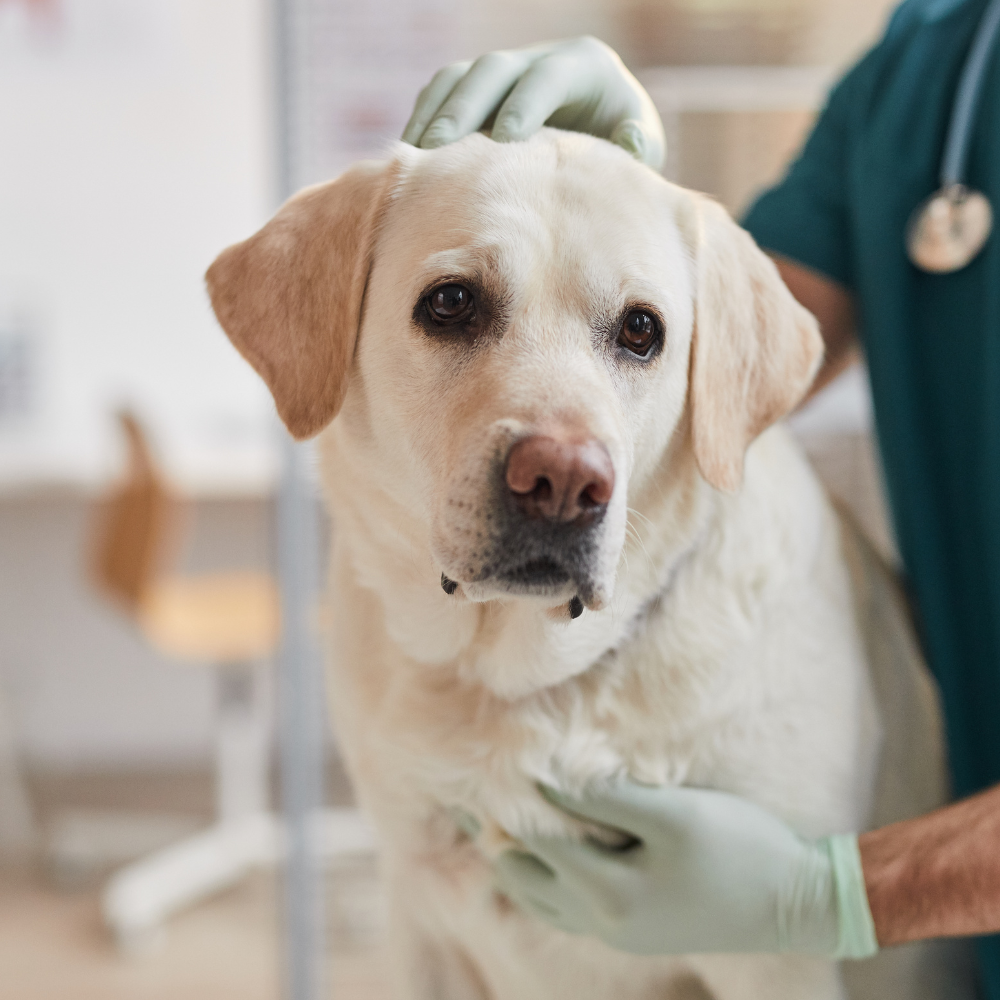
Canine Parvovirus (CPV) aka “Parvo” is a diagnosis that carries significant weight because of how quickly it moves and how resilient the virus is. At Portland Veterinary Emergency and Specialty Care (PVESC) we know the reality of this difficult illness, but it is one we are equipped to fight—and, more importantly, one we can help you prevent.
Whether you are bringing home a new puppy or you’re a long-time cat owner wondering if your feline friends are at risk, here is the straightforward breakdown of what Parvovirus is and how to protect your household.
What is Parvovirus in Dogs?
Canine Parvovirus (CPV) is a highly contagious DNA virus that targets rapidly dividing cells in a dog’s body. Primarily, it attacks the lining of the gastrointestinal tract, preventing the dog from absorbing nutrients or fluids. In very young puppies, it can also affect the heart muscle, though the intestinal form is much more common.
One of the most frustrating aspects of Parvo in dogs is how the virus spreads. It is shed in the poop of infected dogs and is incredibly hardy. It can survive on surfaces, in soil, or on human hands and clothing for months. It isn’t killed by most household cleaners; it requires specific disinfectants (like diluted bleach) to be neutralized.
The Warning Signs: Signs of Parvo
Parvo doesn’t “linger”—it hits fast. Most dogs will show symptoms within 3 to 7 days of exposure. If your dog exhibits these signs, they need a vet immediately:
- Profound Lethargy: Not just a nap; a total lack of interest in moving or playing.
- Persistent Vomiting: Usually unable to keep even water down.
- Bloody Diarrhea: Often dark red or “currant-jelly” in appearance with a very specific, foul, metallic odor.
- Significant decrease or Loss of Appetite: Near complete or complete refusal of food or treats.
- Dehydration: Tacky gums or skin that doesn’t “snap back” when pinched.
Is Parvo an Emergency?
Yes. Parvovirus is a life-threatening emergency. Because the virus destroys the intestinal lining, bacteria from the gut can leak into the bloodstream, leading to septic shock. Without aggressive veterinary intervention, the survival rate is low. However, with prompt, professional care, the majority of dogs can recover.
Call for Emergency Veterinary Services
How to Treat Parvovirus in Dogs
There is no medication that kills the virus directly. Instead, Parvovirus treatment focuses on intensive supportive care while the dog’s immune system fights back.
At a specialty or emergency hospital like PVESC, treatment typically involves:
- IV Fluid Therapy: To correct dehydration and maintain blood pressure.
- Anti-emetics: Strong medications to stop vomiting and nausea.
- Antibiotics: To prevent or treat secondary bacterial infections (sepsis).
- Pain Management: To manage the abdominal cramping and discomfort.
- Nutritional Support: Getting nutrients into the system as soon as the stomach can tolerate it to help the gut lining regenerate.
Call for Emergency Veterinary Services
Prevention: The Vaccination Timeline
The most effective way to handle Parvo is to ensure your dog never gets it. The Parvo vaccine is a “core” vaccine, meaning it is mandatory for all dogs. It is a part of the “distemper” vaccine combination, also know as DHPP; one of the Ps is for Parvovirus.
How old does a dog need to be to get the Parvo vaccine? Puppies typically start their vaccine series between 6 and 8 weeks of age. However, a single shot is not enough. Puppies carry “maternal antibodies” from their mother’s milk that can interfere with the vaccine. To ensure they are protected, they need a series of boosters every 3 to 4 weeks until they are roughly 16-20 weeks old.
Until your puppy has finished that final booster, they are still at risk. Avoid taking them to dog parks, pet stores, or any communal areas where unvaccinated dogs might have been. Check out our other article regarding socializing your puppy while you are awaiting their completion of their vaccinations.
A Note about Cats: Can Cats get Parvo?
If you have a cat in a house where a dog has Parvo, you might be worried. The situation is a bit complex.
Cats have their own version of this disease called Feline Panleukopenia Virus (FPV), often referred to as “Feline Parvo.” It is just as dangerous for cats as CPV is for dogs, causing similar GI distress and a dangerous drop in white blood cells.
Can cats get parvo from dogs? Historically, these were seen as two separate viruses. However, newer strains of the canine virus (specifically CPV-2c) have been shown to infect cats. Luckily, cats do not seem to be at a significant risk for experiencing disease, yet their bodies can hang on to the virus, serving as a source for infection in dogs. While it is much more common for a cat to catch Feline Panleukopenia from another cat, we must remain diligent because it is possible for them to catch certain strains from a dog. Combined with the potential that cats can serve as a reservoir for disease, your veterinarian will likely recommend you keep your pets separated during the time of Parvo concern.
The best protection for your cat is the FVRCP vaccine (the standard feline “distemper” shot). If your cat is up to date on their vaccinations, their risk of contracting Parvo from a dog is extremely low.
Bottom Line: Don’t Wait
If you suspect your dog has been exposed to Parvo or is showing the first signs of illness, time is the most important factor. Early intervention significantly increases the chances of a positive outcome.
At Portland Veterinary Emergency and Specialty Care, our team is ready to provide the intensive monitoring and advanced care needed to help your pet through this.
If your pet is showing symptoms or you have questions about their vaccination status, contact your primary vet or call us directly at (207) 878-3121.