

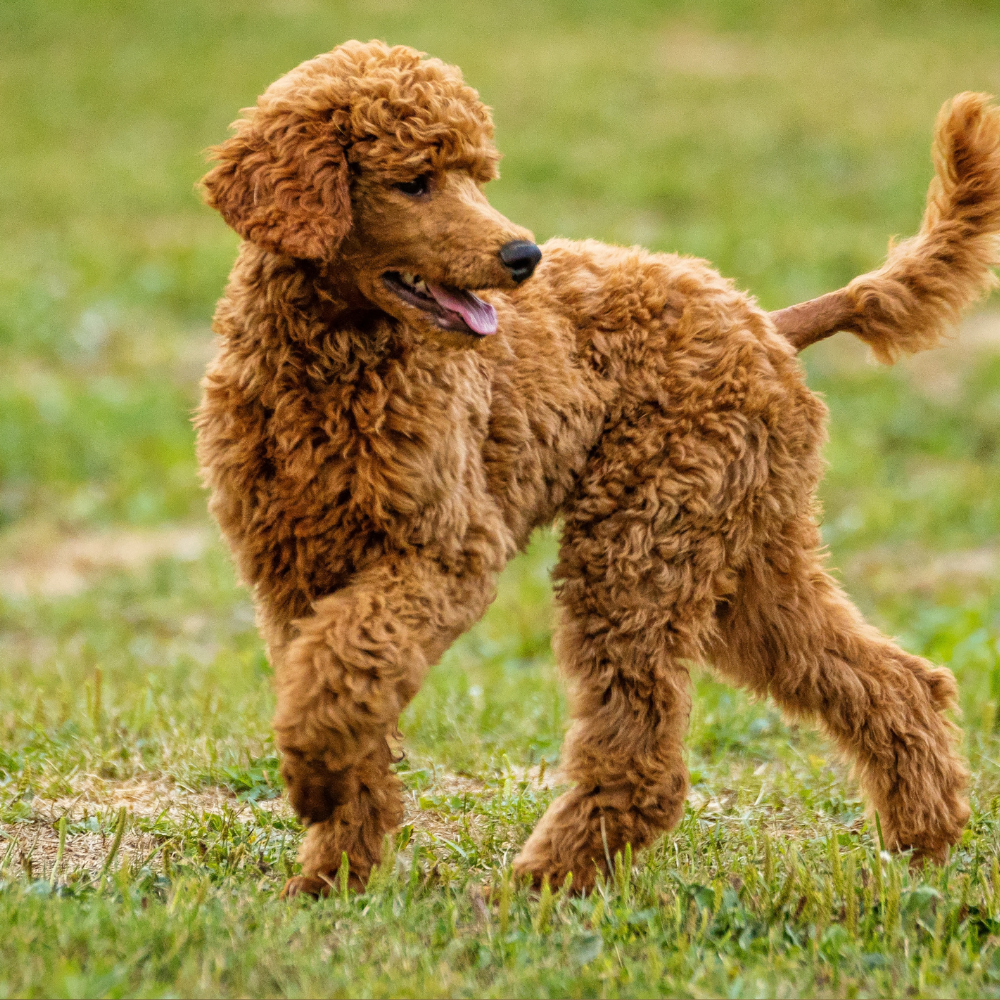
A torn “CCL” (aka “ACL” in humans) is, unfortunately, a common injury in our canine companions. We call it a Cranial Cruciate Ligament (CCL) injury, and while the name is a bit of a mouthful, the impact on your dog’s life is very real.
If you’ve noticed your dog suddenly limping, “toe-touching” the ground, or having trouble getting up after a nap, you might be dealing with a CCL issue. At Portland Veterinary Emergency and Specialty Care (PVESC), we see these injuries frequently and are here to help.
What is a CCL Injury in Dogs?
In humans, we have an Anterior Cruciate Ligament (ACL) in our knees. In dogs, that same ligament is the Cranial Cruciate Ligament (CCL). Its job is to stabilize the knee joint by preventing the shin bone from sliding forward relative to the thigh bone.
Unlike humans, who often tear their ACL in a single traumatic “pop” while playing sports, dogs usually experience a slow degeneration of the ligament over time. It starts with a small fray—like a rope slowly wearing thin—until it finally snaps.
Common Causes of CCL Tears
While any dog can suffer a CCL injury, there are several factors that make it more likely:
- Genetics and Breed: Certain breeds like Labradors of all types, Rottweilers, Newfoundland, Mastiffs, Saint Bernard, Chesapeake Bay Retriever, American Staffordshire Terrier, Akita, Boxer, and Bulldogs are more predisposed to ligament degeneration.
- Weight: This is the most significant preventable factor. Extra weight puts constant, excessive stress on the knee joints.
- Age and Activity Level: Middle-aged dogs (5–7 years old) who are “weekend warriors”—sedentary during the week but very active on Saturdays—are at higher risk.
- Conformation: The physical structure of a dog’s leg (the angle of their shin bone) can put more natural tension on the CCL.
Signs and Symptoms to Watch For
CCL injuries can range from a partial tear to a full rupture. Keep an eye out for these red flags:
- Sudden Lameness: Your dog might suddenly hold their back leg up or limp significantly after a run in the backyard.
- “Toe-Touching”: A dog with a CCL tear will often put just their toes on the ground rather than their full weight.
- Difficulty Rising: You may notice them “bunny hopping” or struggling to get their hind end off the floor.
- Knee Swelling: If you feel the inside of the knee, it might feel “thick” or swollen compared to the other side.
- A “Clicking” Sound: This often indicates a secondary injury to the meniscus (the cushion in the joint), which frequently happens when the CCL is gone
- Sitting awkwardly: If your dog is favoring sitting on one hip with the opposite leg sticking out away from their body, this may indicate they have “knee” pain in that leg.
Does My Dog Need CCL Surgery?
The truth is that while small dogs (under 15 pounds) can sometimes be managed with strict rest and bracing, the gold standard for most dogs is surgery to stabilize the joint. A dog’s knee is always at an angle when they stand, the tibia is constantly trying to slide forward. Without a functional ligament, the bones rub together, causing severe pain and rapid-onset osteoarthritis.
At PVESC, our board-certified surgeons specialize in advanced techniques like TPLO (Tibial Plateau Leveling Osteotomy). Rather than trying to replace the ligament (which often fails in dogs), we surgically reshape the bone to change the mechanics of the knee, making the ligament unnecessary for stability.
What is the Recovery Process?
The word “surgery” is scary, but the recovery is a structured journey that we take together.
- Weeks 1–2 (The “Quiet” Phase): This is all about healing the incision. Your dog will need to be confined to a small room or crate. Short, slow leash walks for bathroom breaks only. Pain management and medications to facilitate rest are provided for best outcomes.
- Weeks 3–8 (Controlled Movement): We begin to slowly increase the length of leash walks. This is where our Sports Medicine & Rehabilitation team at PVESC becomes your best resource. We use controlled exercises to rebuild muscle without straining the healing bone.
- Weeks 8–12 (The Home Stretch): After follow-up X-rays to ensure the bone has healed, we gradually reintroduce off-leash activity.
The most important thing to remember? Strict rest is non-negotiable. We know it’s hard to tell a happy dog they can’t jump on the couch, but those first few weeks are critical for a lifetime of mobility.
A Note for Cat Owners
While this article focuses on dogs, we haven’t forgotten our feline friends! While much rarer, cats can also suffer from cruciate injuries, usually due to a high-impact fall or trauma. Because cats are masters at hiding pain, look for “hidden” signs like no longer jumping onto high counters or becoming more withdrawn. While the surgical approach is different from their canine counterparts, our team is equipped to aid in deciding on the best treatment course for both our feline and canine patients alike.
We’re Here to Help
If you suspect your dog has a CCL injury, don’t wait. Early intervention prevents further damage to the joint and gets them back to their “zoomies” much faster.
At Portland Veterinary Emergency and Specialty Care, we combine the expertise of our surgeons with the personalized care of our rehab specialists to ensure your pet has the best possible outcome.
Give us a call at (207) 878-3121 to schedule a consultation.