
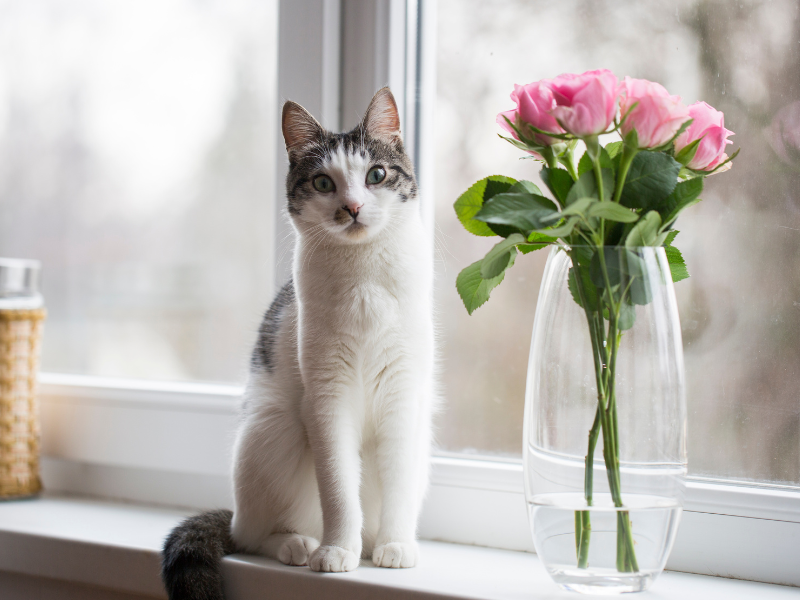
You very likely enjoy the bright colors of a fresh spring bouquet on the kitchen counter or the flowering plants in your yard. For pet owners, these could be a lurking danger to your cat or dog. Some flowers are dangerous to your pet, and we aim to help you know which are safe and which are not before you need to bring your pet to our 24/7 emergency department serving Maine pet familites.
Floral Toxicity in Cats and Dogs
The term toxic refers to any substance that causes a harmful reaction when a pet eats it or comes into physical contact with it. For some flowers, toxicity might only mean mild drooling or an upset stomach. For others, the plant’s chemical compounds can interfere with vital organ functions, such as those of the heart, kidneys, or liver. In the veterinary world, these reactions are often classified by the body system they impact, such as nephrotoxic (kidney-damaging) or cardiotoxic (heart-damaging).
Dogs and cats interact with the world differently. A dog might decide to dig up and eat an entire tulip bulb, while a cat is more likely to chew on delicate leaves or brush against pollen that they later lick off their fur. Knowing these behavioral differences helps the veterinary team at Portland Veterinary Emergency and Speciality Care (PVESC) identify the likely source of an illness during a physical exam.
If you’re concerned your pet might have eaten or come into physical contact with a toxic flower, call us immediately.
High-Alert Flowers
Certain flowers represent a high-alert situation because they can cause life-threatening issues within hours of ingestion. Lilies are the most prominent concern for cats. While many types of lilies exist, true lilies (such as Easter, Tiger, and Stargazer lilies) are exceptionally dangerous to felines. Even a tiny amount of pollen or the water from a vase can cause rapid kidney failure in a cat. This makes lilies among the most toxic flowers to cats, and owners should avoid them entirely.
Another high-risk plant often found in landscaping or indoor pots is the Sago Palm. While not technically a flower, its seeds and fronds contain cycasin, which causes severe liver failure in both dogs and cats. These cases are considered true medical emergencies that require immediate veterinary intervention to prevent permanent damage or death. The team often sees these cases when a pet has chewed on the tough, palm-like leaves.
Seasonal Backyard Dangers
Spring is a peak time for plant-related concerns as residents begin their annual landscaping and garden bed preparation. During this season, bulbs like tulips and daffodils are common fixtures in yards. These bulbs contain the highest concentration of toxins. If a dog digs up a newly planted garden bed and eats several bulbs, they may experience intense vomiting, an increased heart rate, and changes in their breathing patterns.
As the weather warms, other garden favorites like Foxglove and Lily of the Valley become a risk. These plants contain cardiac glycosides, which are chemicals that directly affect how the heart muscle beats. Owners might notice their pet acting extremely tired or even collapsing after spending time in the yard. Hydrangeas and Azaleas are also staples in many gardens that can lead to gastrointestinal distress or neurological symptoms if consumed in large quantities. This makes identifying flowers toxic to dogs a priority for those with active outdoor pets.
Symptoms of Flower Toxicity
The symptoms of plant toxicity can vary widely depending on the amount consumed and the specific plant or flower. You might first notice your dog panting at an unusual time or slowing down on walks without an obvious reason. Your cat might begin to hide more than usual or show a sudden lack of interest in their favorite treats. These subtle changes often are a precursor to more dramatic symptoms like vomiting.
More direct signs of plant poisoning include:
- Excessive drooling or foaming at the mouth.
- Repeated vomiting or retching.
- Diarrhea, which may sometimes contain blood.
- Loss of coordination or a “drunken” walk.
- Increased thirst and urination (often seen with kidney-damaging toxins).
- Pale or yellowish gums.
A common question the team hears is whether a pet is safe if they only ate a tiny leaf. Because every pet reacts differently based on their size, age, and existing health conditions, it is always safer to contact a professional rather than waiting for severe symptoms to appear. The hospital suggests monitoring for any changes in energy levels or bathroom habits after any plant ingestion.
How Veterinarians Evaluate Toxin Contact?
If you suspect your cat or dog has eaten a toxic flower, quick action is incredibly important. We recommend that you do not wait for your pet to show signs of illness. Some toxins can cause damage before outward signs appear. If possible, your first step should be to remove any remaining plant material from your pet’s mouth and identify the plant if possible.
When a pet is brought to the hospital for suspected plant poisoning, veterinarians start with a thorough physical examination. They monitor the heart rate, blood pressure, and abdominal comfort. If the owner knows which plant was eaten, bringing a sample or a photograph of the flower helps the team determine the best course of action. Speed is helpful, but accuracy in identification is what guides the medical plan.
For pets showing signs of severe toxicity, a primary care veterinarian may recommend a visit to a specialty hospital or emergency hospital. Advanced care often involves diagnostic testing, such as blood work to check organ function and urinalysis to look for signs of kidney distress. Treatment might include decontamination, such as inducing emesis (controlled vomiting) or administering activated charcoal to bind the toxins in the stomach. In serious cases, internal medicine specialists may supervise intravenous (IV) fluid therapy to protect the kidneys or use specialized medications to stabilize the heart.
Urgent or Emergency Care is necessary if the pet is experiencing:
- Persistent vomiting or dry heaving.
- Collapse or extreme weakness.
- Seizures or muscle tremors.
- Difficulty breathing or very rapid breathing.
- Noticeable changes in gum color (blue, purple, or very pale).
Call us at 207-878-3121 or a the ASCPA poison control hotline immediately. Do not attempt to induce vomiting at home unless specifically instructed by a medical professional (some toxins can cause more damage if brought back up). Seeking help early often leads to a better outcome and may reduce the need for more intensive, expensive treatments later on.
Creating a Pet-Safe Environment with Non-Toxic Flowers
By choosing pet-safe flowers and plants, pet owners can protect their animals from unnecessary harm. Choosing pet-safe flowers allows owners to enjoy nature with peace of mind. When selecting a bouquet or planning a garden, these pet-safe flowers are excellent alternatives. They provide color and fragrance without the high-risk chemical compounds found in lilies or foxgloves.
Pet-Safe Flowers Include:
- Roses: Beautiful, traditional, and safe
- Sunflowers: Bright flowers that add a cheerful look to any garden
- Snapdragons: Safe and colorful for seasonal gardens
- Zinnias: Easy to grow and completely safe for both dogs and cats
- Gerbera Daisies: A pet-friendly option for vibrant indoor arrangements.
- Orchids: Specifically, the Phalaenopsis variety, which is safe for curious cats.
Educating family and friends about these options ensures that gift bouquets brought into the home are also safe. Keeping a list of these varieties handy during trips to the local nursery can prevent accidental exposure to dangerous plants. It is also a good practice to ask florists for “pet-friendly” arrangements when ordering for others.
If there is ever a doubt about a specific plant, a quick check of a flower’s safety can make all the difference in preventing a trip to the emergency room.
If you’re concerned your pet might have eaten or come into physical contact with a toxic flower, call us immediately. Our emergency room is open 24/7.