

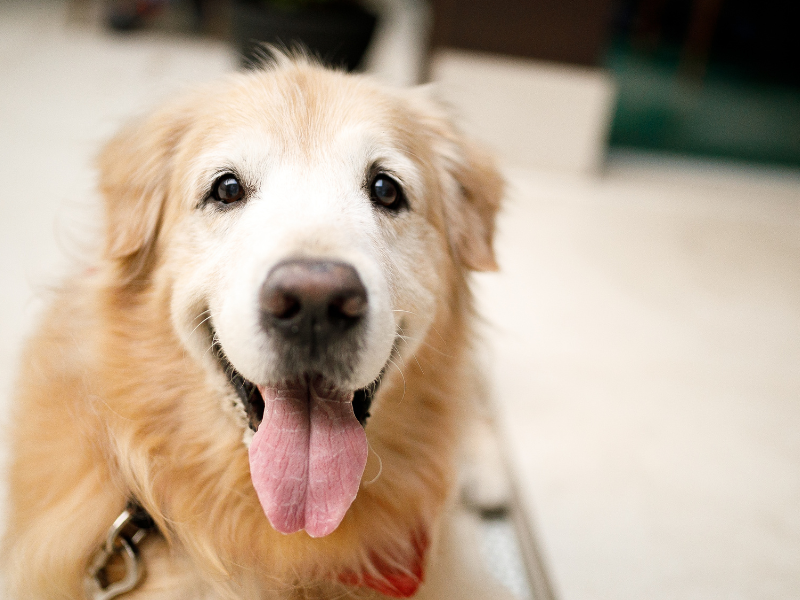
Your pet uses their eyes for everything — spotting a squirrel, finding their favorite toy, and giving you that look that melts you every time. Eye problems can creep up quietly, and pets are good at pushing through discomfort without making it obvious. By the time something is clearly wrong, the issue may have been brewing for a while. That’s why it’s worth knowing the early signs and acting on them sooner rather than later.
Worried about your pet’s vision? Book an appointment today with our ophthalmologist.
Common Pet Eye Conditions
Here are some of the most common eye conditions seen in dogs and cats — and why each one deserves attention.
1. Glaucoma Occurs when fluid builds up inside the eye, creating pressure that damages the optic nerve and retina.
2. Cataracts Cloud the lens of the eye, blocking light and impairing vision. They’re often hereditary but can also develop from diabetes or aging.
3. Corneal ulcers Can result from trauma, dry eye, or irritation from eyelashes or foreign objects.
4. Dry eye Happens when tear glands don’t produce enough tears to keep eyes lubricated. It causes irritation and discharge, and it can lead to corneal ulcers.
5. Conjunctivitis (pinkeye) Inflammation of the tissue lining the eyelids. It causes redness, discharge, and squinting, often from allergies, infection, or irritants.
The challenge with many of these conditions — especially glaucoma — is that they progress quietly. Understanding warning signs can be the difference between preserving your pet’s sight and losing it.
Spotting the Red Flags
Early detection requires knowing what to look for. The signs can be subtle at first, which can make them easy to miss. Keep your own eyes out for these warning signs in your pet:
- Excessive squinting or eye redness is often the first clue. Your pet might squint more than usual, have bloodshot eyes, or keep one eye partly closed. These changes often signal discomfort.
- Cloudiness or haziness in the eye can indicate inflammation or pressure buildup. Compare your pet’s eyes to how they normally look—you may notice a dull quality to the usually clear cornea.
- Excessive tearing or discharge can be a cause for concern. Some discharge is normal, but if you’re noticing your pet’s eye area constantly wet or crustier than usual, or if the color of the discharge is abnormal (a small amount of light brown in the inner corner can be expected) that’s worth investigating.
- Behavioral changes matter too. Your pet might avoid bright light, seem less playful, or position their head differently. Pets in pain often become withdrawn or irritable.
- Dilated pupils that don’t respond normally to light are another concerning sign. If your pet’s pupils look larger than usual or don’t shrink when exposed to bright light, it could indicate that something is wrong.
Why Wellness Visits Matter
Your pet’s eyesight is something you don’t want to gamble with. Many eye conditions build gradually, with no obvious signs until real damage has been done. Regular wellness visits give your vet the opportunity to spot problems like glaucoma, cataracts, and corneal ulcers while there’s still time to act.
Taking Care at Home
You can support your pet’s eye health between visits. Keep their face clean and free of irritating fur or debris. Don’t let pets hang their head out of car windows (dust and debris are real hazards). Watch for signs of eye problems and report anything unusual to your veterinarian immediately.
Getting the Care Your Pet’s Eyes Deserve
Protecting your pet’s vision sometimes means unexpected costs — and we want cost to be the last thing standing between your pet and the care they need.
The CareCredit health and pet care credit card can help you prioritize your pet’s health and well-being by giving you a dedicated way to pay over time for veterinary care.* If approved, you can use it again and again for future pet care needs. Visit carecredit.com to see if you prequalify with no impact to your credit score.
*Subject to credit approval.
This content is subject to change without notice and offered for informational use only. You are urged to consult with your individual advisors and/or medical providers with respect to any information presented. Synchrony and any of its affiliates, including CareCredit, (collectively, “Synchrony”) makes no representations or warranties regarding this content and accepts no liability for any loss or harm arising from the use of the information provided. Your receipt of this information constitutes your acceptance of these terms and conditions.